

Making DaaS Mainstream

Before we turned everything into “as a service”, there were many seemingly successful attempts at healthcare data services. Microsoft Health Vault, HIEs, Google Health, even Apple Health. These were all initiatives with enormous “transaction at birth”. The install base of all of Microsoft. The force of law – NY state requires people to populate their HIE. However, step into any doctor’s office today and it is painfully clear that still none of us escape the clipboard or know shit about our charts.
In my humble opinion, the reasons previous heroic attempts have all failed–and why the time just might be right now–are threefold:
- Tools
- Rules
- Money
Tools
Until very recently in society, pre-AWS domination, people who made software weren’t used to using software tools as a service. What they built wasn’t natively integrated into anything that they didn’t intentionally build against. Post-AWS domination, a whole class of tool-type companies has emerged: software development tools as a service. Twilio, Square, Box, Stripe. This is normal now, although in healthcare, still not really. But one can imagine that given how normal it is to build that way to software engineers in the world, the new technologies that are built will probably be born that way as well. It’s certainly the case at Zus. At athena, it was not the case when we started, and we were in the midst of an extremely painstaking and slow transition. But newer companies like Elation and Canvas and Healthie are, shall we say, task-native (tool as a service). Once you are building in a task-native way, it isn’t that big a putt to go from subscribing to your database as a service to the cloud to subscribing to the data in it in the same way.
In the VC community, there is a new CRM called Affinity that VCs use to keep track of their prospects and the people around them. Affinity is both a SaaS and a DaaS product. When you subscribe, an engine grinds through the entire history of your Gmail traffic – appointments, contacts, emails, etc. – finds every person you’ve ever connected with, and then automatically crawls the internet, building a rich, surprisingly complete profile on each contact and the company they work at…watch out Benioff! In a problem like that, while the software can be very good (nice designs, workflows, etc.), the value is increasingly in the content, and the software becomes, as it has in many other sectors, the storefront you go into to get the product.
So I think the tool story is extremely different today from the day when any of the previous attempts at healthcare DaaS were born.
Rules
It was also perfectly legal until very recently for a provider to refuse to share data on a co-treated patient with another provider. And even today, if you poke your nose into the portion of any medical record system that pulls in data on common patients, you will wish you had held it! You go from looking at pretty charts and graphs on the data from patients that you’ve added (flowsheets, face sheets, heat maps, etc.) to something akin to the guts of an IBM data disc from the 1980s. Lots and lots and lots of records with lots and lots of duplication and no definition between genuine content and plain old structure/metadata.
The CURES Act requires information to be exchanged via FHIR servers, which are better at separating signal from noise than other options. However, participation is voluntary! Any guesses on how many “volunteers” we have so far? That’s the bad news. The good news is, as data becomes more commonly shared under HIPAA, it’s bound to find its way to entities who do indeed wish to volunteer, and they will be safe to do so at that time. In the early 2010s, if Zus got data via HIPAA, it couldn’t share it via CURES, because there was no CURES. Now all of this is legal and even encouraged by regulators, as opposed to something that they would have had to punish you for doing. All of that being said, today 40 million patients a month have their records exchanged electronically from one provider to another in the US. That’s more than there are fedwires, according to Micky Tripathi, our fearless national HIT coordinator. Today, there is something real to work with. In my own venture in fact, we find ourselves able to pull together “something” from well over 90% of patients that we service, and something that looks like “everything” (maybe just a lot) on nearly 80%. I left athenahealth four years ago while athena was a leader in this area, yet at the time it was nowhere near those numbers. So while the future isn’t here, the rules are no longer actively working against the promise of healthcare products offering true data as a service.
Money
Depending on how you define the term, more than 90% of us on any given day are not sick. Hence, we have very little pressing need to pull together our medical record information. Most of us only feel the pain of America’s data “dis-integration” when handed an effing clipboard. The remaining sub-10% of us are in no position to do information-gathering groundwork, and are hard people to find by marketers who may put together a noble service to meet our needs, such as Picnic Health. So who wants to pay? Historically, no one.
Luckily, accountable care is on the rise – both the delivery of it, and the accounting for it. As such, the vast majority of venture-backed providers and a growing percentage of established ones can actually make money knowing whether or not their patients are receiving the care they ordered; and for that matter, whether those patients are getting care that they didn’t order! Furthermore, the amount of money an “accountable care provider” gets paid has a lot to do with how much they can report on the health of their patients. The gray market for risk adjustment is almost as spicy as the one for $80 oil. Enormous sums go into spelunking for insights on patients today that would easily be eliminated in a healthcare DaaS world.
Given that my current venture is effectively a DaaS company, I’m acutely aware that many blog posts like this have been written by accomplished well-meaning knights about the failings of all those other “silly grail-seekers”. Nevertheless, hope springs eternal that the time to share medical data, an obvious linchpin to vast improvement in cost and quality, has finally arrived.
Featured photo by Ashin K Suresh on Unsplash

Explore the latest content from Zus
Explore articles, case studies, succes stories and insights on modern health care.
Zus Health Achieves HITRUST r2 Certification, Demonstrating Commitment to Cybersecurity and Information Protection

No Second Chances: How Zus Helps Providers Use AI to Get Risk Capture Right the First Time
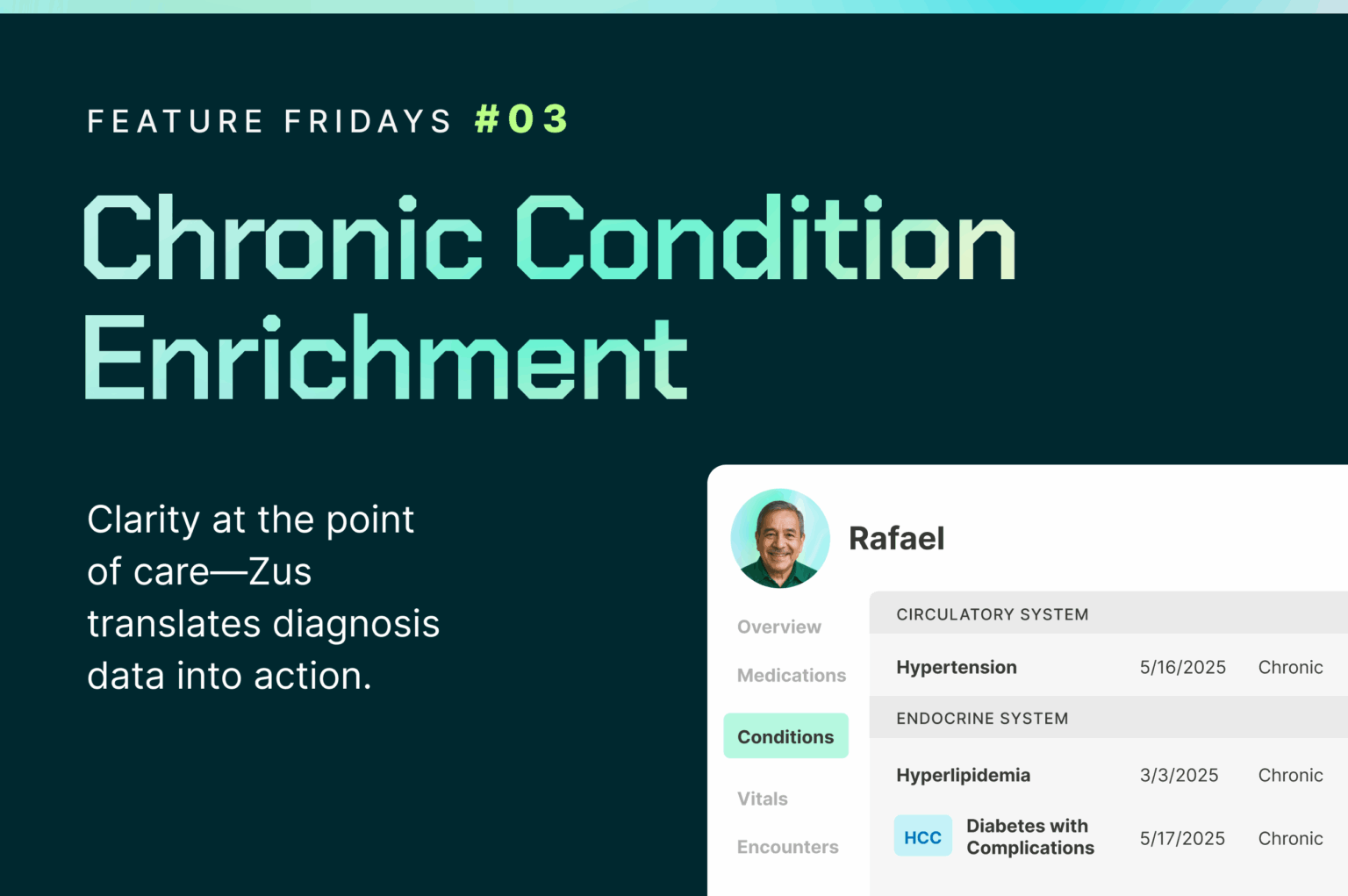
Feature Fridays: Turning Condition Chaos into Clinical Clarity for Improved Care

Reimagining the EHR: From System of Record to System of Orchestration

The End of Retrospective Risk Adjustment: Why Prospective Coding Is the New Standard
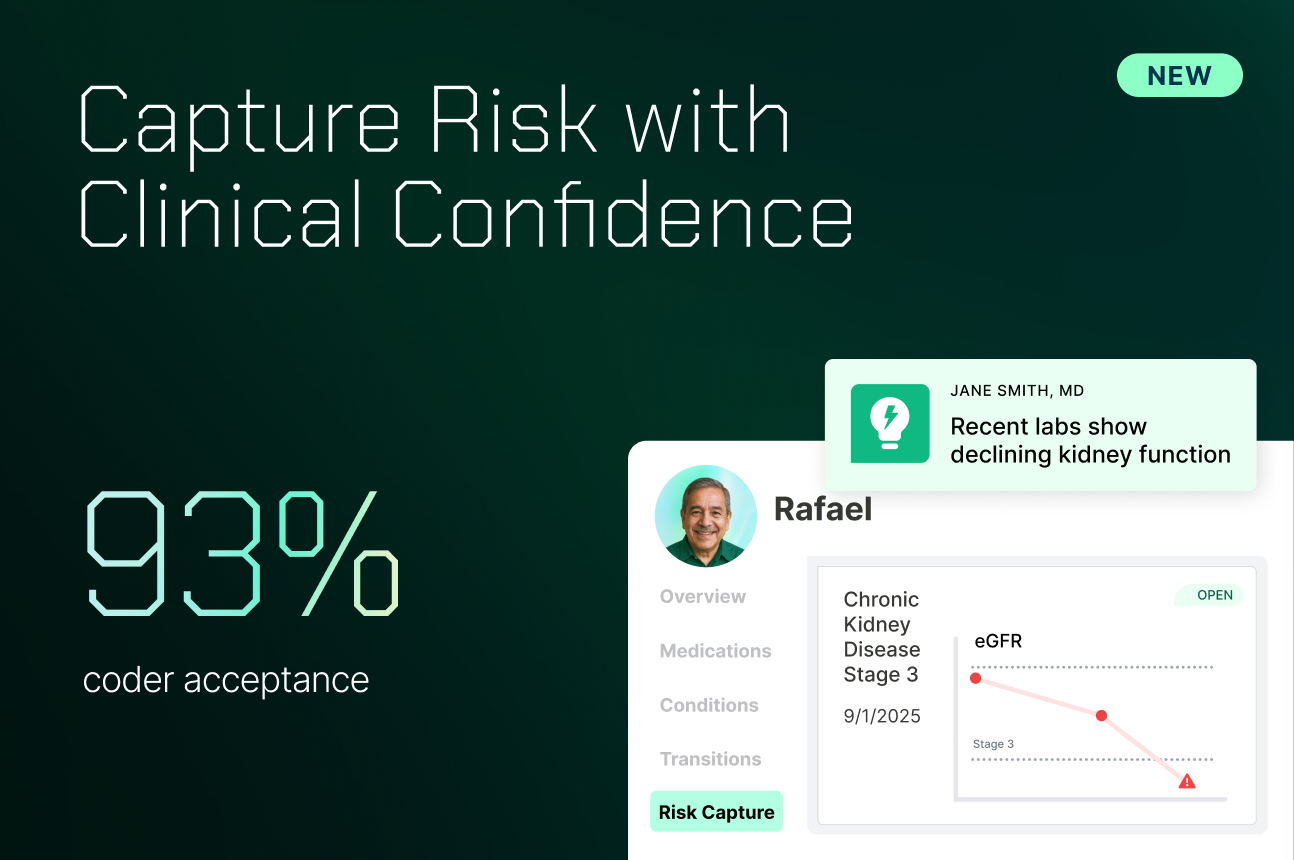
Zus Health Helps Value-Based Care Organizations Capture Accurate Risk with Intuitive, Evidence-Based Workflows
The One Big Beautiful Bill Reforms Won’t Make Medicaid More Efficient, But Common Patient Records Will
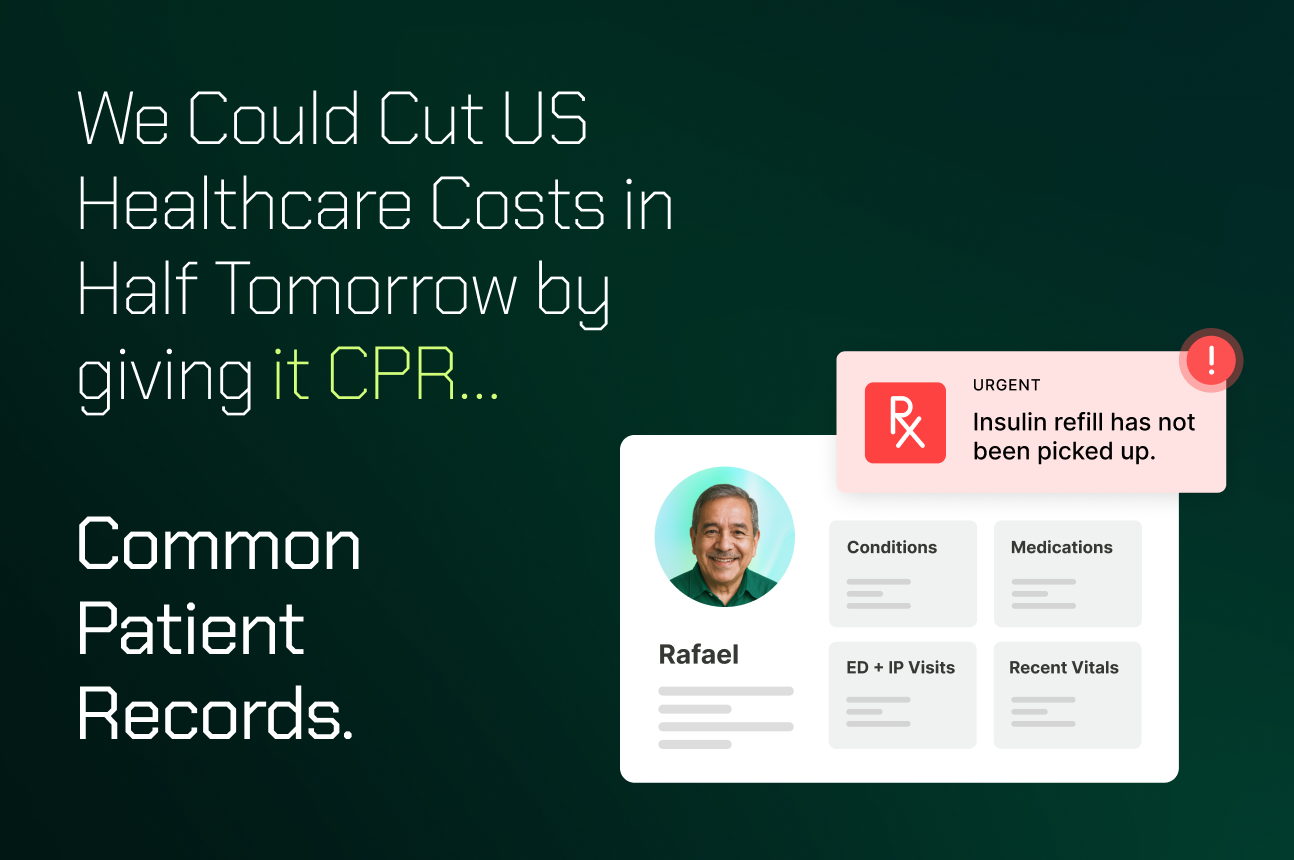
We Could Cut US Healthcare Costs in Half Tomorrow by giving it CPR…Common Patient Records.
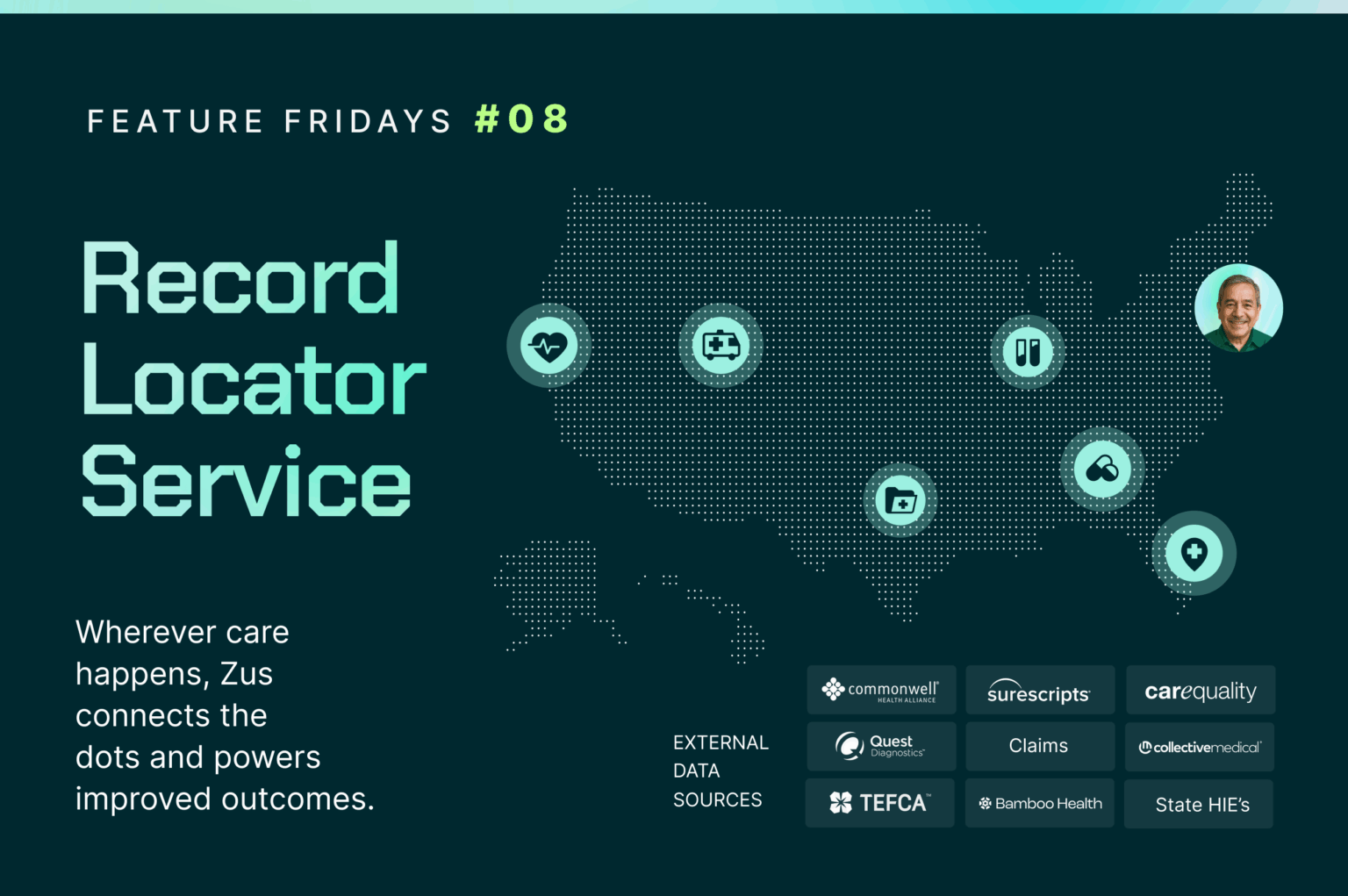
Feature Fridays: Finding the Records Others Miss with Zus’ Record Locator Service
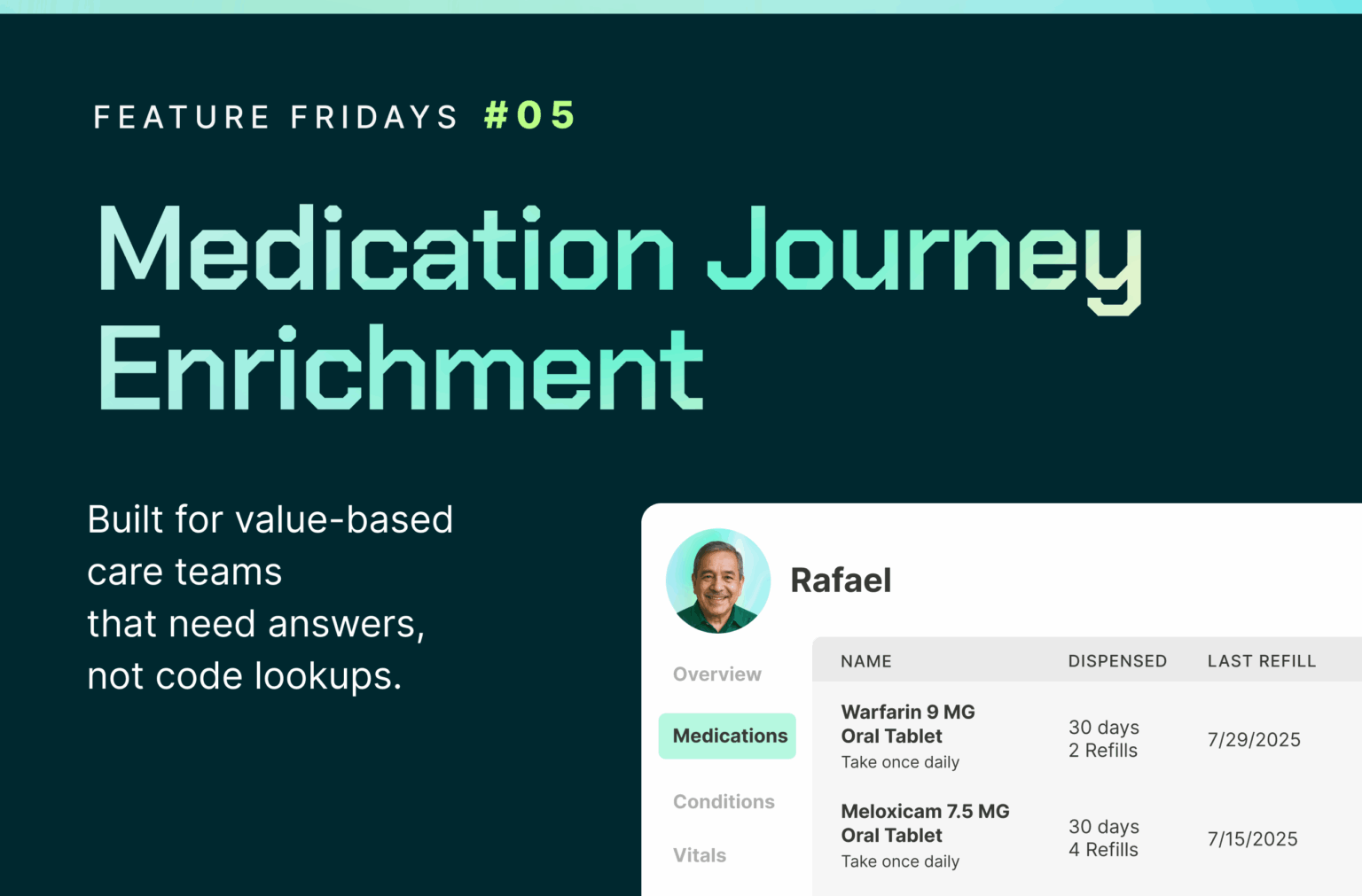
Feature Fridays: Making Medication Management Smarter with Medication Journey Enrichment
Zus Health Recognized as Early Adopter in CMS Interoperability Framework
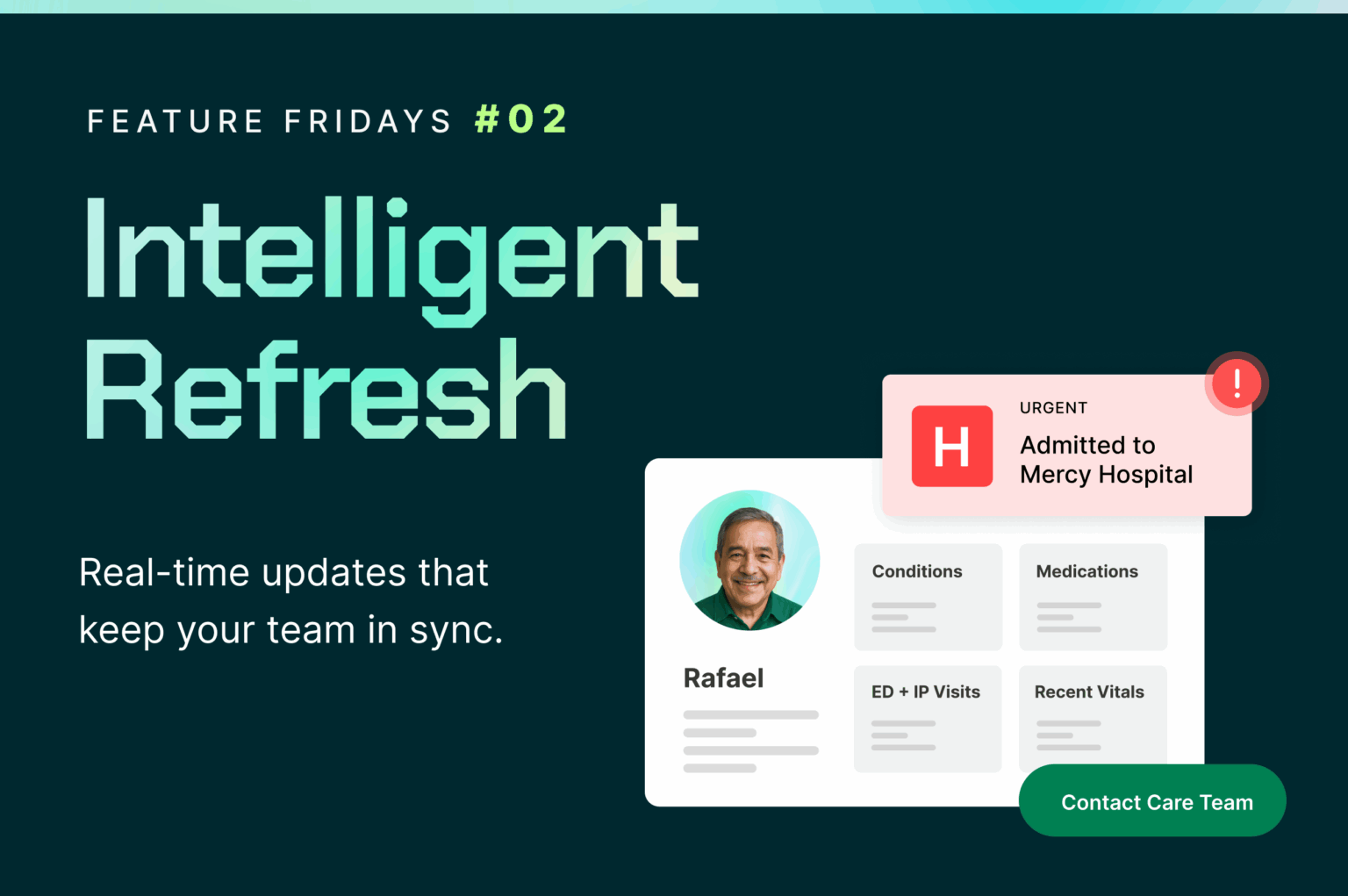
Feature Fridays: Keeping the Patient Record Always On with Intelligent Refresh
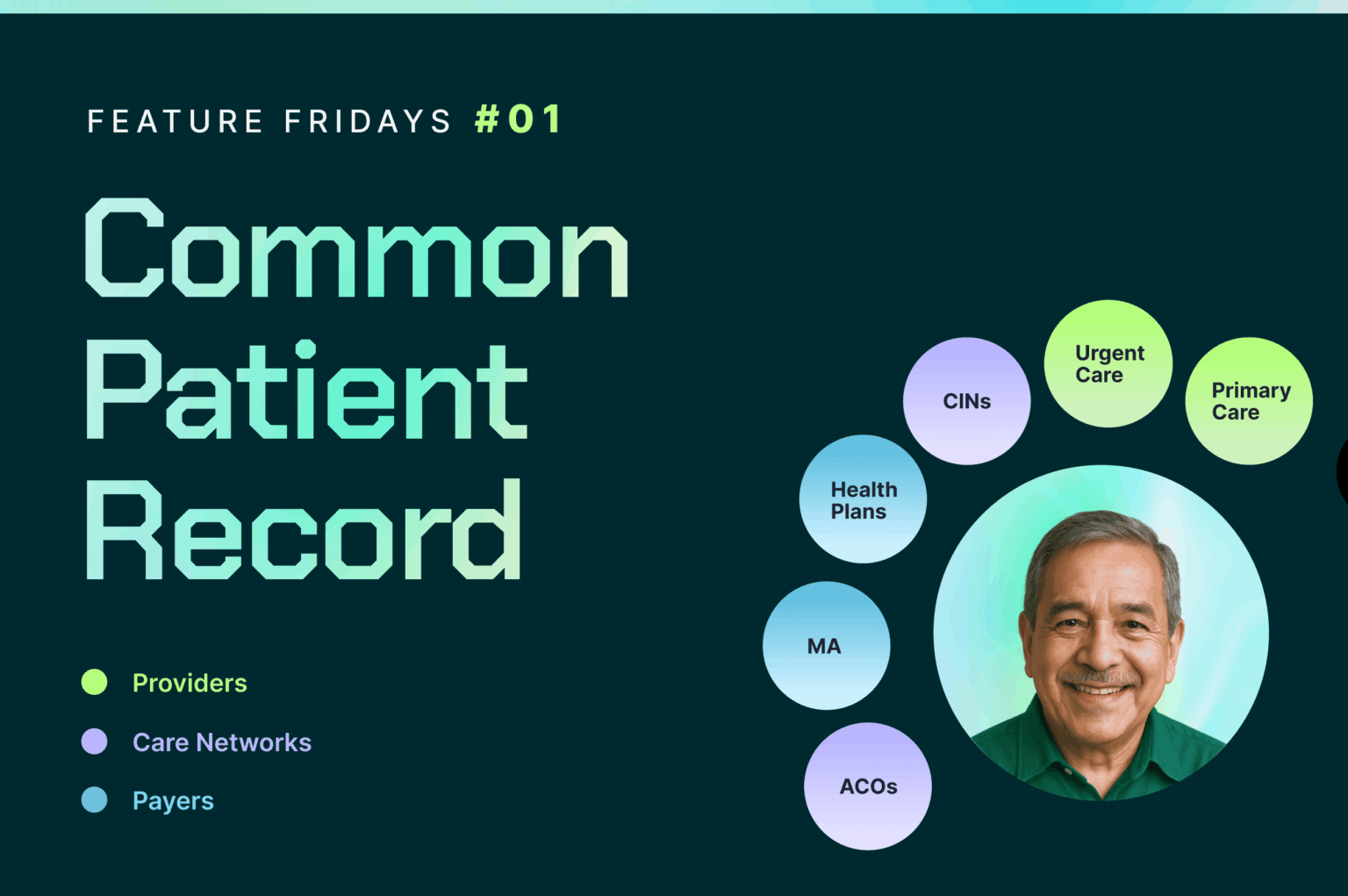
Feature Fridays: There’s a New CPR in Town that’s Changing how Care is Delivered
Feedback Zus shared with CMS: Building Smarter Infrastructure for Data-Driven Care

Pipe Dreams: Converting ADT Noise into Transitions of Care Clarity
Strengthening the Future of Value-Based Care: Reflections on Health Care Value Week

Zus Health Celebrates Unprecedented Growth, Announcing New Clients and AI-Powered Innovations

Bracing for the Presidential Election: Healthcare on the Political Divide







Zus Health Joins athenahealth's Marketplace Program to Bring Real-time Clinical Data to the Point of Care












Zus Health Closes Financing, Signs Partnership with Elation Health, to Accelerate Growth of its Data Service to Provide Connective Tissue for Healthcare








Zus and Healthie Partner to Empower Digital Health Organizations to Access Patient Health History